

A Lush Look at the Season's Most Beautiful Floral Details
Spring arrives with a feeling of renewal that feels almost electric. After months of winter's quiet palette, the landscape begins to stir again. Buds swell on branches, fresh green shoots push through the soil, and the air softens with the promise of warmth and longer days. Colors return in waves, first delicate and pastel, then bright and cheerful, as gardens, parks, and countrysides awaken.
In floral design, spring is a season of lightness, movement, and joyful contrast. Airy petals mingle with budding branches, delicate blossoms hover above lush greenery, and soft textures meet vibrant pops of color. Ruffled tulips dance beside trailing jasmine vine, fluffy ranunculus layer beautifully with fresh eucalyptus, and clusters of sweet hyacinth nestle among willowy ferns.
With its playful selection of colors, romantic blooms, and fresh botanical accents, spring arrangements celebrate growth, beauty, and new beginnings. Styled for Easter and Passover gatherings, spring weddings, baby showers, or simply brightening a home after winter's stillness, spring florals remind us of the brightness and gentle optimism in the world.
Learn more about spring's signature hues, seasonal flowers, and the textural accents that bring movement, freshness, and dimension to designs inspired by the season of renewal.
Spring's Signature Color Palette
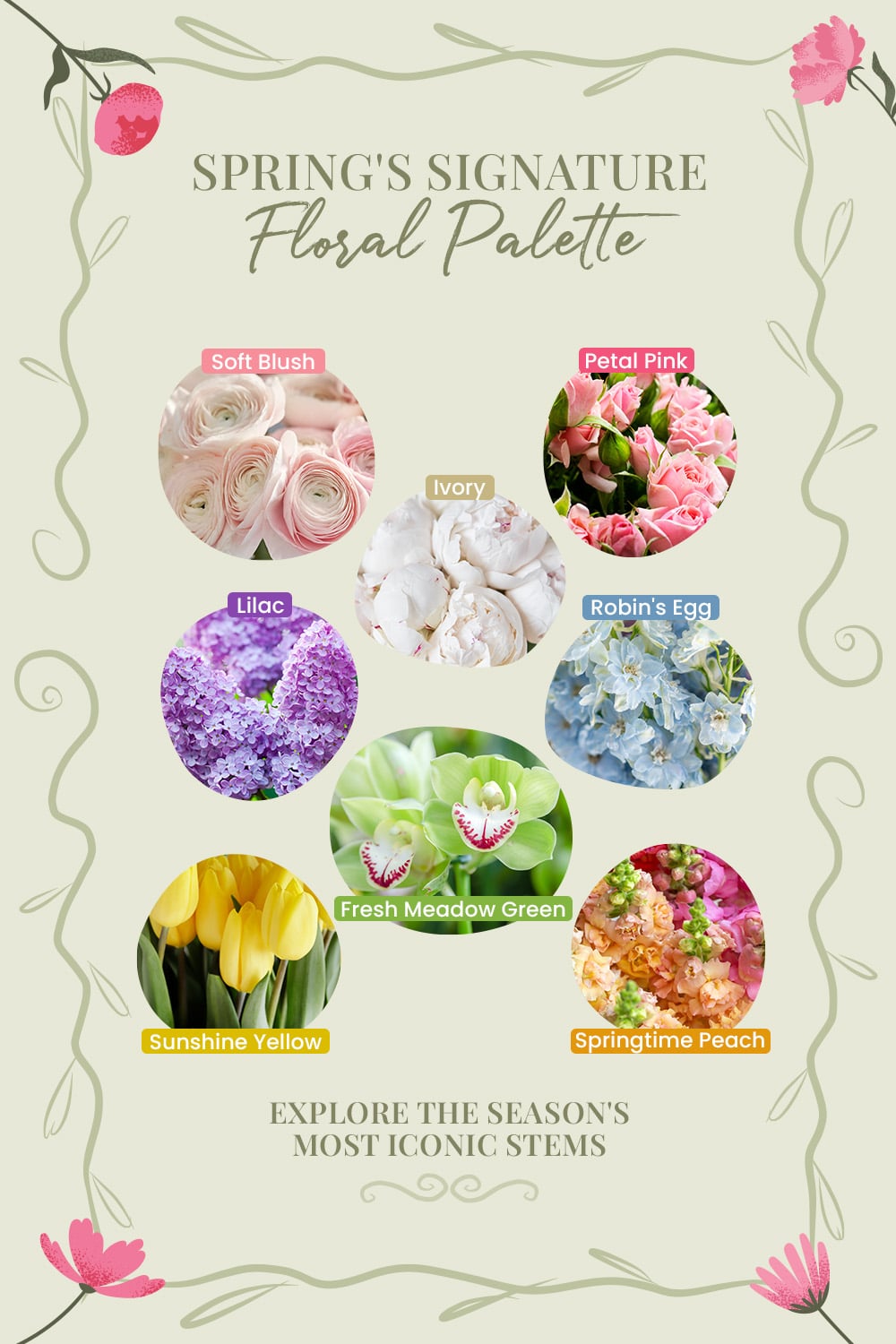
Spring's color story is fresh, uplifting, and invigorating. Inspired by blooming gardens and sunlit landscapes, the palette blends soft pastels with lively brights and crisp greens. These colors evoke the gentle beauty of budding flowers, blue skies, and the cheerful return of nature's vibrancy.
- Petal Pink & Soft Blush — Soft pink tones capture the romance and innocence of springtime blossoms. Inspired by blooming cherry trees, peonies just beginning to unfurl, and delicate garden roses, blush shades bring warmth and sweetness to floral designs. Petal pink, ballet blush, and rosewater hues add softness, especially when paired with creamy whites or pale greens. These tones are fresh yet timeless, making them favorites for spring weddings, Easter arrangements, and garden-style bouquets.
- Buttercream & Fresh Ivory — Light neutrals bring balance to spring arrangements. Shades of cream, ivory, and pale butter echo the glow of early morning sunlight and the softness of freshly opened petals. These hues act as a graceful backdrop for brighter flowers while keeping designs airy and refined. Often seen in ranunculus, garden roses, or lilies, these delicate neutrals help create bouquets that look natural, peaceful, and sophisticated.
- Lavender, Lilac, & Wisteria — Dreamy purple tones are hallmarks of spring gardens. Inspired by blooming lilac bushes, fragrant lavender fields, and cascading wisteria vines, these hues add a whimsical, romantic quality to arrangements. From pale lilac to deeper violet shades, these colors evoke calm and creativity. Paired with blush pink, fresh greens, or soft whites, lavender tones create an energy that feels light and unmistakably seasonal.
- Sky Blue & Robin's Egg — Soft blue tones mirror the clear skies, deep seas, and gentle breezes of spring mornings. These refreshing hues bring brightness and calm to floral palettes, echoing robin's eggs, forget-me-nots, and tall delphinium blooms. Sky blue and powdery periwinkle add a breath of fresh air to floral designs, especially when layered with creamy neutrals and tender greens.
- Fresh Meadow Green — Spring wouldn't exist without its lush, renewing greens, the hallmark of the season. Inspired by new grass, budding leaves, and flourishing gardens, meadow green adds vitality and grounding energy to florals. These tones bring freshness and life, allowing colorful blossoms to shine while maintaining a natural, garden-inspired aesthetic.
- Sunshine Yellow — Nothing captures the spirit of spring quite like cheerful yellow. Bright, optimistic, and full of warmth, yellow conjures fields of daffodils, forsythia bushes, sunny mornings, and the joy of the season's first warm days. From rich pastels to vibrant lemon shades, yellow flowers infuse arrangements with happiness, positivity, and energy.
- Coral & Springtime Peach — Warm coral and peach tones bridge the gap between soft pastels and bolder summer hues. These shades are playful and luminous, reminiscent of tulips catching the afternoon sun or garden roses glowing in the light of evening. Coral and peach bring warmth and gentle excitement to arrangements, creating a vibe that's lively yet elegant.
Favorite Spring Flowers
Spring flowers are celebrated for their pretty shapes, delicate textures, and joyful colors. Many of these blooms are among the first to appear after winter, making them powerful symbols of renewal, growth, and fresh beginnings.
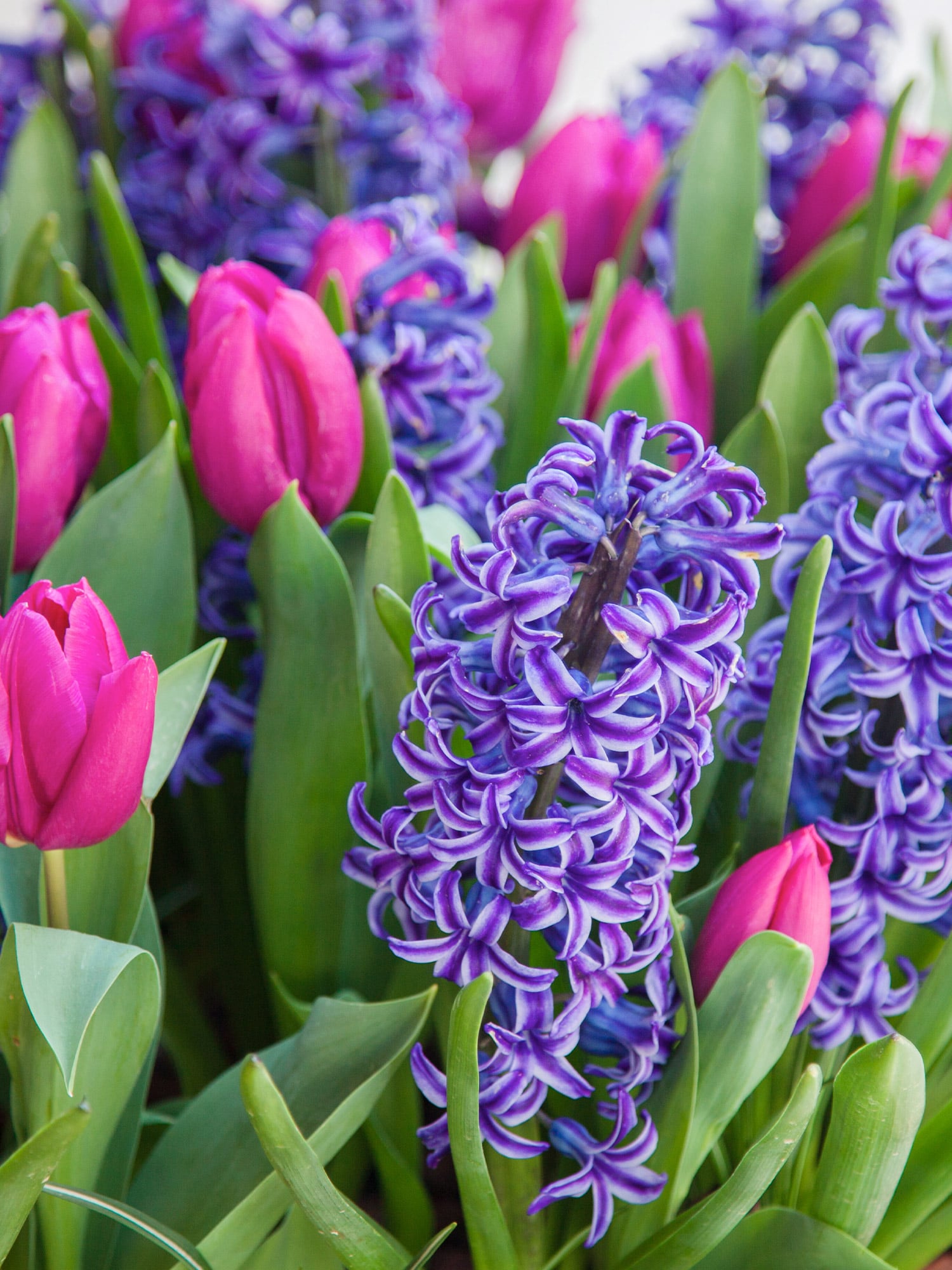
- Tulips — Tulips are one of spring's most recognizable and iconic flowers. Their elegant, cup-shaped blooms come in nearly every color imaginable, from delicate pastels to bold, saturated hues. Tulips symbolize love, happiness, and renewal, making them ideal for seasonal bouquets and celebrations. Their gentle movement gives arrangements a natural, relaxed beauty that feels distinctly spring-like. Gathered in a simple bunch or mixed into a fuller design, tulips bring freshness, color, and an easy elegance that suits everything from casual centerpieces to polished event florals.
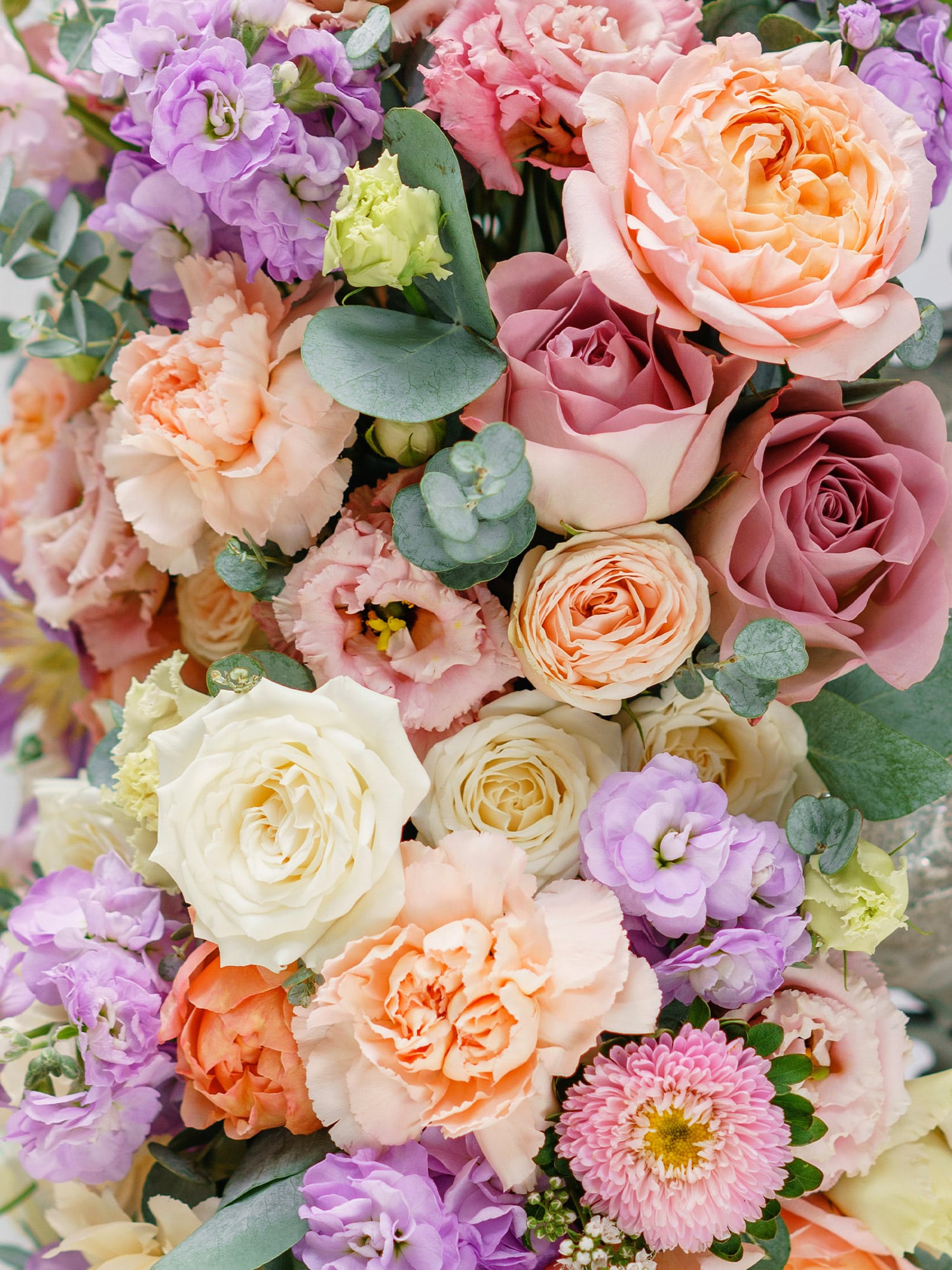
- Ranunculus — Ranunculus flowers are prized for their lush, layered petals that resemble delicate paper rosettes. Their shape and color range make them a favorite in romantic spring designs. Available in shades like blush, cream, peach, yellow, pink, and deep coral, ranunculus adds fullness and texture without overwhelming an arrangement. These blooms symbolize charm and radiant beauty, which makes them fitting for celebrations and gifts. Along with airy greenery or other garden-inspired flowers, ranunculus invite a refined, elegant energy that makes spring bouquets look fuller, fresher, and more elevated.
- Peonies — Peonies are among the most luxurious blooms of spring, sought after for their billowing petals and full-bodied shape. Blooming in shades of blush, white, pink, coral, and deep rose, they bring abundance and elegance to floral designs. Peonies symbolize prosperity, happiness, and good fortune, making them especially popular for weddings and milestone celebrations. Their lush form adds richness to bouquets and centerpieces in a gentle manner. As a focal flower or blended with other spring blooms, peonies create a garden-inspired look that's timeless and romantic.
- Irises — Irises bring a striking, sculptural beauty to spring arrangements with their ruffled petals, elegant form, and unmistakable silhouette. Blooming in shades of violet, indigo, buttery yellow, crisp white, and pale blue, they introduce bold color and movement to seasonal designs. Irises are associated with wisdom, hope, courage, and admiration, which gives them added meaning in bouquets meant to uplift and inspire. Their shape adds contrast among rounder flowers like peonies and ranunculus. In classic and contemporary arrangements, irises have a refined, artistic presence that's vibrant and distinctly springtime.
- Anemones — Spring anemones are known for their striking contrast, featuring dark centers framed by smooth, opaque petals. Often found in shades of white, pink, red, purple, and blush, these blooms bring drama and modern elegance to arrangements. Their crisp shape and graphic look make them especially popular in contemporary arrangements, where they stand out without looking too ornate. Anemones symbolize anticipation and protection, adding subtle meaning to their visual appeal. Placed sparingly as an accent or grouped for impact, they lend spring bouquets a fresh, polished style that's clean and sophisticated.
- Roses — Elegant roses remain one of the most beloved blooms in floristry. They can look romantic, classic, fresh, or garden-inspired depending on the variety. Spring roses in blush, cream, peach, yellow, and pale pink are especially beautiful this time of year, reflecting the season's lighter palette. Symbolizing love, admiration, gratitude, and beauty, roses add familiarity and refinement to bouquets, centerpieces, and event designs. As a focal flower or woven among seasonal stems, they create a polished finish that's timeless and perfectly suited to spring.
- Lisianthus — Lisianthus is a florist favorite for its rose-like petals and romantic presence. Blooming in shades of lavender, blush, white, pale pink, and cream, it blends beautifully into spring palettes while adding texture and movement. Lisianthus symbolizes appreciation, charisma, and gratitude, making it a meaningful option for seasonal bouquets and special occasions. Its branching stems create a lush, layered effect that's full, which helps arrangements maintain a cohesive look. For softening bolder blooms or adding dimension to pastel designs, lisianthus brings refinement to spring florals.
- Delphinium — Delphinium adds height, color, and drama to spring floral designs with its tall spires of blossoms. Often found in shades of blue, lavender, white, and pale periwinkle, it introduces cool, uplifting tones that mirror the clear skies and seas of the season. Delphinium represents positivity and encouragement, making it a lovely bloom for arrangements that celebrate joyful milestones. Its vertical form creates movement and structure, guiding the eye through larger bouquets and centerpieces. Florists often use delphinium to add balance, dimension, and an elegant silhouette to spring compositions of every size.
- Hyacinths — Hyacinths are treasured for their vibrant color and unmistakable fragrance, making them one of spring's most memorable flowers. Their dense clusters of tiny star-shaped blossoms create a bold yet refined presence in bouquets and centerpieces. Available in pink, purple, white, and blue, hyacinths add color and texture to seasonal designs. They symbolize playfulness, sincerity, and spring's joyful return, which makes them especially fitting for arrangements that celebrate renewal and fresh beginnings. Displayed on their own or mixed with other blooms, hyacinths add fragrance, fullness, and a distinct energy to spring florals.
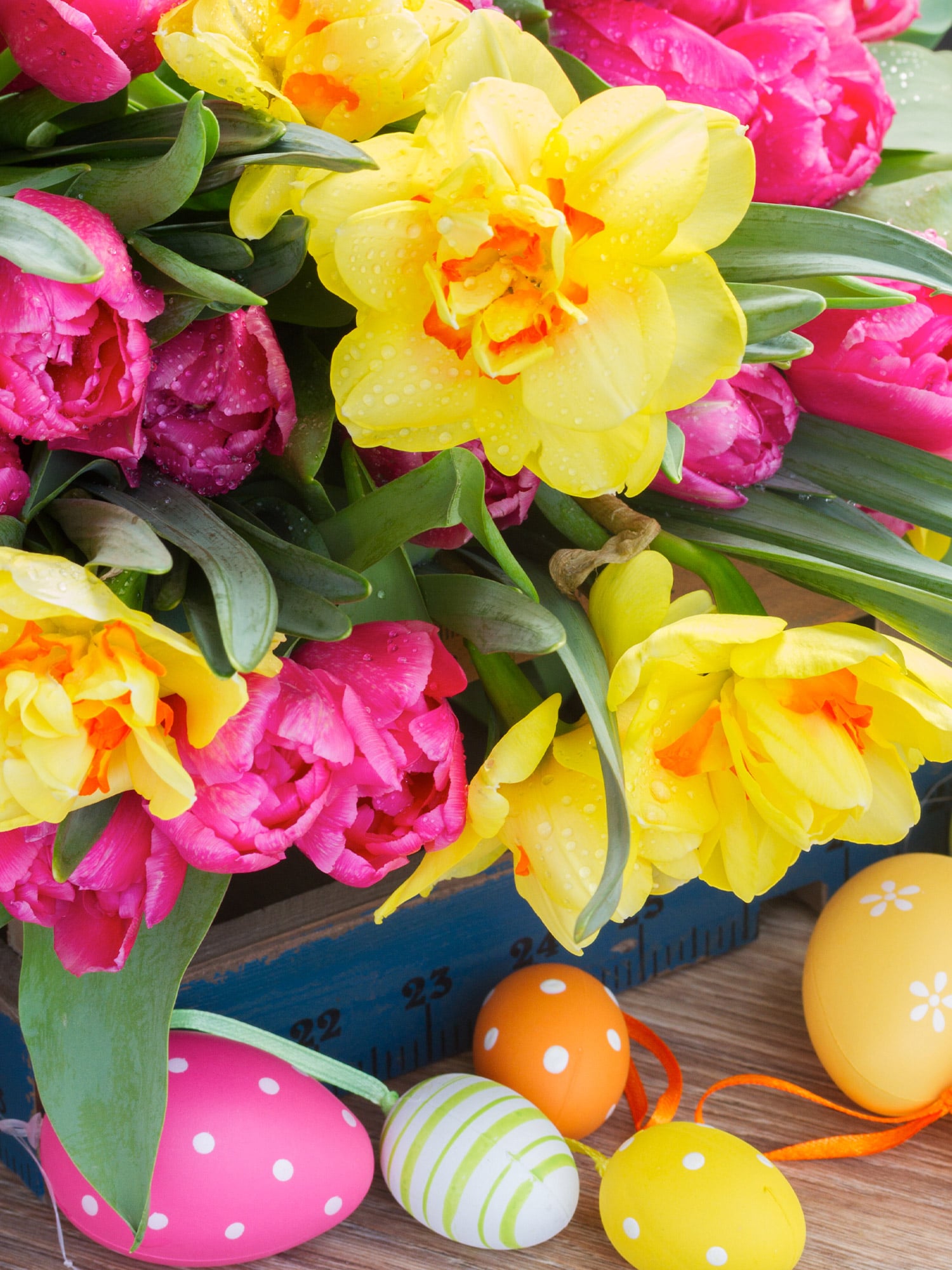
- Daffodils — Bright and cheerful, daffodils are one of spring's primary heralds. Their sunny, trumpet-shaped blooms symbolize hope, rebirth, and new beginnings, making them one of the season's most uplifting flowers. Most often seen in lively yellow, creamy white, and soft two-tone varieties, daffodils brighten arrangements with their fresh color and playful form. They bring optimism and warmth to bouquets, centerpieces, and entryway displays. Gathered in a simple bunch or paired with other seasonal blooms, daffodils capture the spirit of spring in a way that's welcoming and classic.
- Protea — Protea brings a bold, sculptural element to spring arrangements, providing contrast to the season's lighter and more delicate blooms. Known for its large, textured flower heads and architectural shape, protea appears in shades of blush, coral, creamy white, and deep rose. It symbolizes strength, transformation, and courage, making it a powerful addition to designs that celebrate growth. Despite its dramatic presence, protea blends beautifully with spring flowers like roses, ranunculus, and eucalyptus, adding depth and visual interest. It's an ideal statementbloom for modern and elevated arrangements.
Textural Flowers & Fresh Greenery
Texture is what brings spring arrangements to life. From trailing vines to airy accent flowers, these elements add movement, softness, and a garden-inspired feel that reflects the season's natural beauty.
- Stock — Stock is prized in spring floral design for its tall shape, clustered blooms, and sweet fragrance. Available in pale pink, creamy white, buttery yellow, lavender, and deep berry, it adds height, fullness, and color to floral designs. Stock symbolizes a happy life, lasting affection, and beauty, which makes it ideal for spring gifting and event work. Its textured stems create a layered, gathered look that's abundant and welcoming. Mixed with roses, peonies, and other romantic blooms, stock brings structure and fragrance to arrangements.
- Eucalyptus (Seeded, Silver Dollar, Baby Blue) — Eucalyptus remains a favorite greenery for spring arrangements thanks to its fresh scent, silvery tones, and versatile shape. Seeded eucalyptus adds gentle movement and delicate texture, while silver dollar and baby blue varieties have round, sculptural leaves that give bouquets a polished finish. Its airy quality helps soften brighter flowers and balance fuller blooms like roses, peonies, and ranunculus. Tucked into a bouquet or woven through a centerpiece, eucalyptus provides freshness, dimension, and easy elegance to spring designs.
- Jasmine Vine & Smilax — Trailing greenery like jasmine vine and smilax introduces movement and organic flow to floral designs. These vines mimic the relaxed beauty of natural garden growth, cascading gently through bouquets, arches, and centerpieces while adding softness and dimension. Their loose, wandering shape helps arrangements feel airy, layered, and less structured in a formal way. Jasmine vine can also contribute a delicate fragrance, while smilax is loved for its flexibility and fresh green color. Used sparingly or in generous loops, both have a romantic, just-gathered quality that makes spring florals lush, fresh, and beautifully alive.
- Dusty Miller — Dusty miller's velvety, silver-gray foliage brings subtle contrast and distinctive texture to spring arrangements. Its soft, frosted appearance pairs especially well with pastel flowers, fresh greens, and creamy neutral tones, helping brighten a palette without overpowering it. Dusty miller breaks up more saturated color and adds a cool note to bouquets and centerpieces. Its gently lobed leaves create visual interest that's classic yet current. Combined with roses, lisianthus, or ranunculus, dusty miller adds depth, softness, and a graceful finishing touch to spring floral designs.
- Wax Flower & Astilbe — Wax flower and astilbe are delicate accent blooms that bring lightness and texture to spring bouquets. Wax flower features tiny star-shaped blossoms that create a fine, airy cloud of detail, while astilbe adds feathery plumes that echo the fresh, untamed beauty of meadow grasses. Together, they help soften larger focal flowers and fill arrangements with movement and dimension. Wax flower is often associated with lasting love and good fortune, while astilbe contributes a wispy, romantic texture that's especially fitting in spring. Both are beautiful additions for creating layered, fresh, and garden-inspired bouquets.
Spring Accents & Natural Details
Thoughtful accents help complete a spring floral design. These natural details celebrate the season's themes of growth, renewal, and fresh beginnings while adding character and storytelling to arrangements.
- Flowering Branches — Branches from flowering trees like cherry blossom, quince, and dogwood add sculptural beauty, height, and movement. Their blossoms capture the magic of trees bursting into bloom and bring strong seasonal authenticity to floral designs. Flowering branches are especially effective in larger centerpieces and statement arrangements, where their natural lines create drama. They add an airy, architectural quality that pairs beautifully with roses, tulips, and other spring blooms.
- Moss & Natural Bases — Moss adds an earthy, garden-like texture that helps spring arrangements feel grounded and organic. Used in planters, centerpieces, and decorative bases, it recalls forest floors, fresh garden beds, and the natural richness of the season. Its rich green color creates a beautiful foundation for brighter blooms, soft pastels, and flowering branches. Moss is especially useful for adding texture around containers or covering mechanics in an intentional and polished manner. Tucked into a tabletop design or layered around potted bulbs, it brings a natural finish to spring floral styling.
- Decorative Eggs & Nest Accents — For Easter arrangements and spring celebrations, decorative eggs and small nest accents bring a playful seasonal element to floral designs. These whimsical details highlight themes of new life, renewal, and fresh beginnings, making them especially fitting for holiday centerpieces and cheerful displays. Used in subtle ways, they add personality and storytelling without overwhelming the flowers themselves. Neutral finishes, speckled textures, and natural materials help these accents feel elevated rather than overly themed.
- Raffia & Natural Ribbon — Lightweight raffia ties and natural fabric ribbons add a simple finishing detail that suits the relaxed beauty of spring. Their texture complements garden-style bouquets and seasonal arrangements while keeping the overall look refined and understated. Raffia brings an earthy, hand-tied quality, while cotton, linen, or gauzy ribbons add movement and polished softness. These materials are often used to wrap bouquet stems, accent vases, or complete gift arrangements with a thoughtful touch.
- Butterfly & Bird Motifs — Spring is closely tied to the return of wildlife, and butterfly or bird motifs add movement and seasonal character to arrangements. These accents celebrate the energy of nature reawakening and help tell a fuller spring story through design. Used thoughtfully, they can bring a playful note to centerpieces, wreaths, or holiday displays. Styles made from paper, metal, feathers, or other natural-looking materials tend to blend in most beautifully.
Celebrate the Fresh Beauty of Spring
Spring florals are joyful, light, and full of possibility. With their delicate petals, fresh greenery, and uplifting colors, they capture the spirit of a season built on renewal and growth. Whether you're designing arrangements for a spring gathering, decorating for Easter, celebrating a wedding, or simply bringing the beauty of the outdoors inside, spring's textures give us endless inspiration. Airy blooms, budding branches, and vibrant hues work together to create designs that look fresh, romantic, and alive.